Understanding Sports Broadcasting Basics
Definition and Importance of Sports Broadcasting
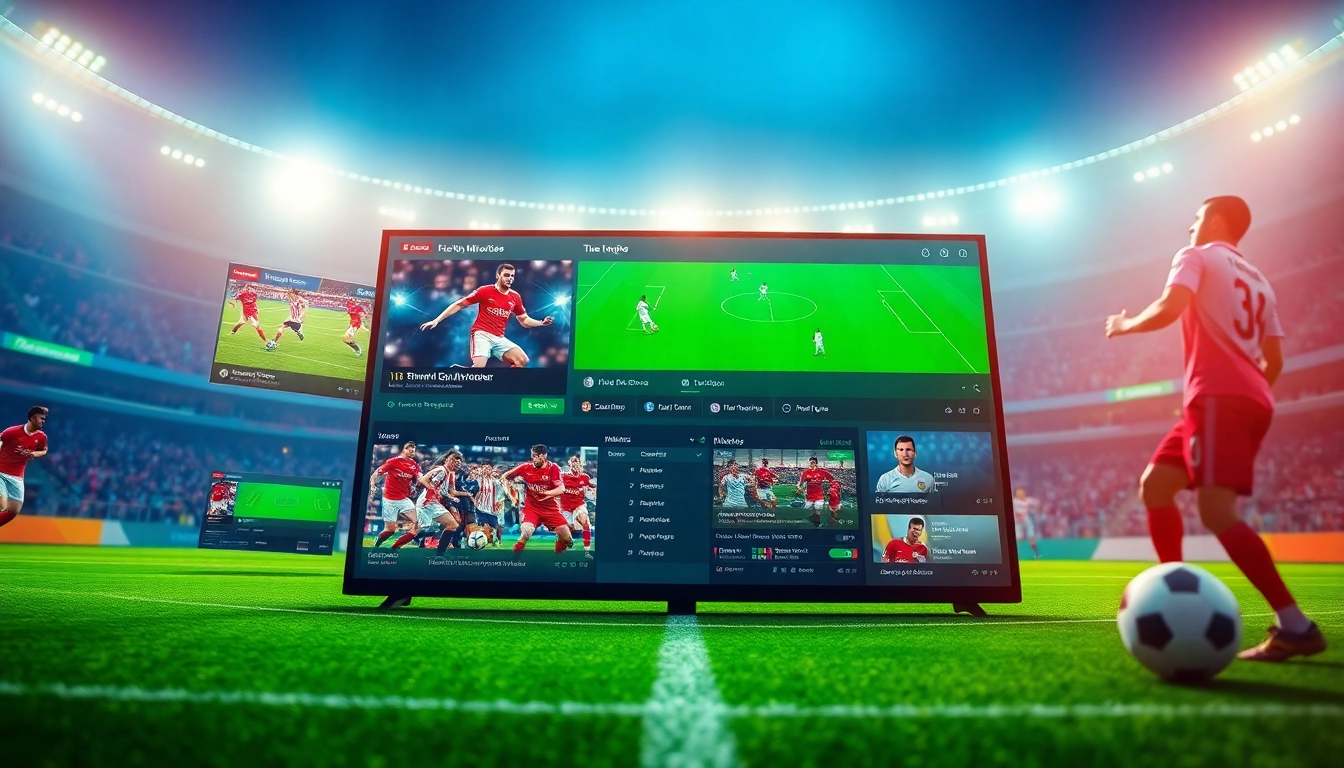
Sports Broadcasting refers to the dissemination of live or recorded sports events to a broad audience through various mediums such as television, radio, and online platforms. This crucial aspect of the sports industry not only enhances fan engagement but also serves as a transformative tool for sports marketing, breaking viewership records and fostering community among fans. In an era where technology and media rapidly evolve, Sports Broadcasting plays a pivotal role in shaping public perception and the economic viability of sports.
Key Components of a Successful Broadcast
A successful sports broadcast consists of several vital components, each contributing to the overall viewer experience. Key elements include:
- Production Quality: High-definition video quality, clear audio, and professional presentation create an immersive experience for viewers.
- Commentary: Engaging and knowledgeable commentators can enhance viewers’ understanding of the game, offering insights and in-depth analysis.
- Technical Support: Robust technical infrastructure facilitates seamless broadcasts, requiring specialized equipment and skilled personnel.
- Advertising and Sponsorship: Strategic marketing efforts boost revenue and viewer engagement, making sports broadcasts profitable.
How Sports Broadcasting Has Evolved
The evolution of sports broadcasting has significantly shaped how audiences consume sports content. Initially bound to radio and black-and-white television, broadcasting began to embrace color TV and satellite technology, broadening its reach. The rise of cable networks expanded viewership, but the most significant changes have emerged recently. The advent of digital streaming platforms and social media has transformed how sports are consumed, enabling fans to access content anytime and anywhere, thus creating a more personalized viewing experience.
Technologies Behind Sports Broadcasting
Essential Equipment for Live Sports Broadcasting
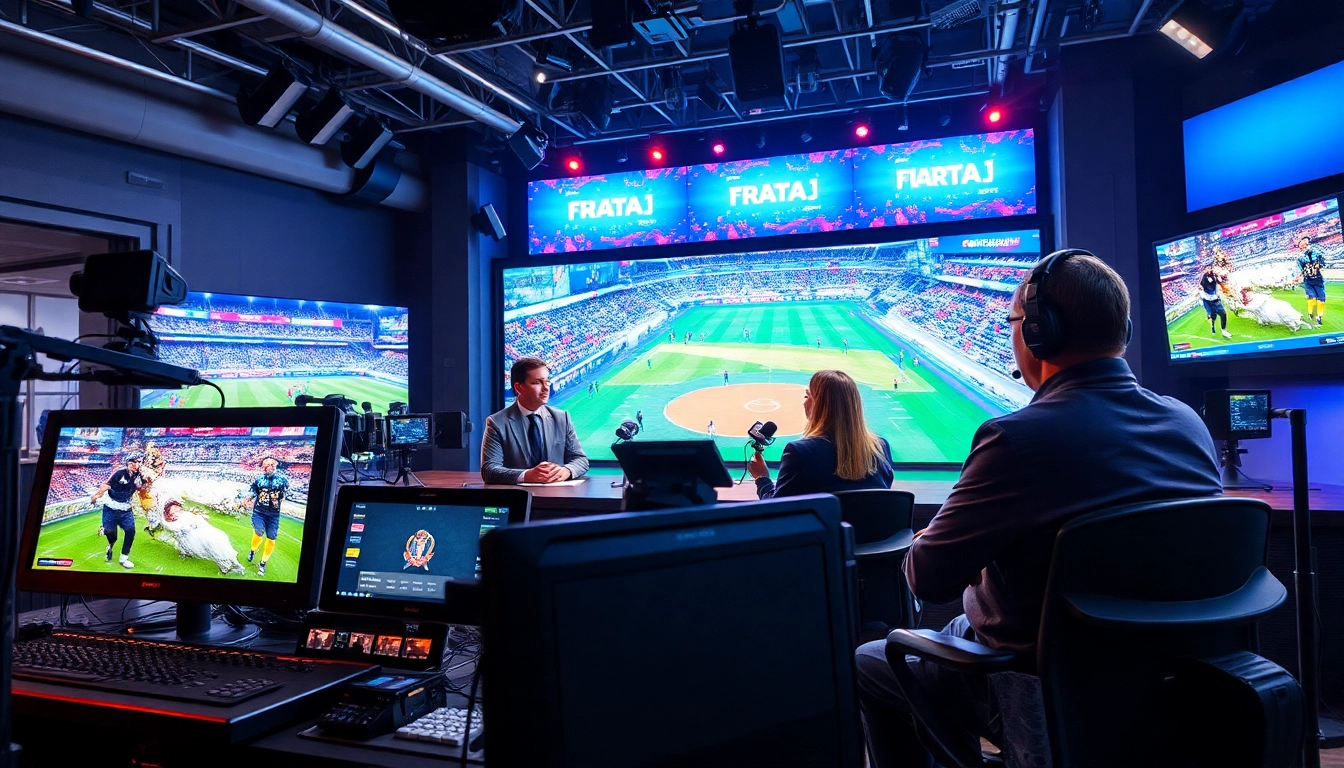
Live sports broadcasting relies on sophisticated technology and equipment that ensure quality and reliability. Essential components include:
- Cameras: High-definition cameras capture live actions, often utilizing multiple angles for captivating coverage.
- Switchers: Live event switchers allow producers to control what the audience sees, switching between different camera feeds in real-time.
- Audio Equipment: Advanced microphones and mixing equipment ensure clear communication among commentators and optimal sound quality.
- Graphics Systems: Real-time graphics software displays scores, statistics, and player information, enhancing audience engagement.
The Role of Streaming Services in Sports Broadcasting
Streaming services have revolutionized sports broadcasting by providing direct access to live events without traditional cable subscriptions. These platforms typically offer on-demand content and personalized viewing experiences. Key advantages include the flexibility of viewing on multiple devices, customizable subscription plans, and innovative features like multi-camera angles. As more viewers shift towards online content, streaming gains a more prominent role in the industry.
Future Innovations in Sports Broadcasting Technology
As technology continues to advance, the future of sports broadcasting is likely to be marked by several exciting innovations. These include:
- Augmented and Virtual Reality: These technologies may allow fans to experience immersive broadcasts, providing a front-row feel from their homes.
- AI and Automation: AI can enhance production quality by automating various broadcasting aspects, including highlight reels and real-time analytics.
- 5G Technology: The next-generation mobile network could ensure faster and more reliable streaming, enabling higher-quality broadcasts.
Strategies for Engaging Sports Broadcasting
Creating Compelling Content for Audiences
Engagement in sports broadcasting hinges on the creation of compelling content that resonates with the audience. Creative storytelling, behind-the-scenes footage, interviews with players and coaches, and interactive viewer experiences can significantly enhance audience connection. Collaborating with athletes and influencers to provide unique perspectives can also enrich the content offering and drive engagement.
Understanding Audience Preferences in Sports Broadcasting
To keep audiences engaged, broadcasters must understand their preferences. Market research, surveys, and social media analysis can unearth valuable insights regarding viewer interests and habits. Catering content to different demographics, such as targeting younger audiences with highlights and short clips while providing in-depth analysis for dedicated fans, can enhance overall engagement.
Utilizing Social Media to Enhance Engagement
Social media is a powerful tool for enhancing engagement in sports broadcasting. Platforms such as Twitter, Instagram, and TikTok provide avenues for real-time interaction during events. Creating shareable content, such as memes, clips, and polls, encourages fans to engage with broadcasts actively. Executing campaigns in collaboration with sports influencers can also amplify reach and attract new audiences.
Challenges in Sports Broadcasting
Managing Technical Difficulties During Live Events
One of the most pressing challenges in sports broadcasting is managing technical difficulties during live events. To mitigate risks, broadcasters should conduct thorough testing prior to broadcasts, have backup equipment on standby, and establish clear protocols for technical failures. Training personnel in troubleshooting and crisis management can also ensure swift resolution of issues, minimizing disruptions to the viewing experience.
Ensuring Fair Coverage and Representation
Sports broadcasts must ensure fair coverage and representation of teams, players, and events. Bias or favoritism can alienate segments of the audience. Establishing clear editorial guidelines, training commentators on equitable reporting, and soliciting feedback from diverse audience segments can help address representation issues and create a more inclusive broadcasting environment.
Adapting to Changing Regulations in Broadcasting
The broadcasting landscape is continually evolving, with regulatory changes impacting how content can be distributed. Staying informed about changes in copyright laws, content licensing agreements, and broadcasting rights is essential for operators. Engaging legal experts and proactive monitoring of regulatory developments can ensure compliance and avoid legal pitfalls.
Measuring Success in Sports Broadcasting
Key Performance Indicators for Sports Broadcasting
Measuring the success of sports broadcasts requires evaluating several key performance indicators (KPIs). Important metrics include viewership numbers, audience retention rates, social media engagement levels, and advertising revenues generated per event. KPI analysis should be ongoing to track performance trends over time.
Analyzing Audience Metrics and Feedback
Understanding audience metrics and feedback is critical for enhancing future broadcasts. Surveys, social media analytics, and real-time feedback during broadcasts can provide invaluable insights into viewer preferences. Using analytic tools to assess performance can help sports broadcasters identify strengths and areas needing improvement, allowing for adjustments to be made ahead of future events.
Improving Future Broadcasts Based on Data Insights
Using data insights to inform improvements is essential for enhancing the sports broadcasting experience. Based on the analysis, broadcasters should adapt content strategies, evolve production techniques, and refine audience-targeted efforts. Continuous integration of audience feedback into planning ensures that future broadcasts remain relevant and compelling.
Frequently Asked Questions
What is Sports Broadcasting?
Sports Broadcasting is the transmission of live or recorded sports events to a broad audience through mediums like television, radio, and digital platforms.
How has Sports Broadcasting changed over the years?
Sports Broadcasting has evolved from radio and traditional TV to include digital platforms, allowing for on-demand content and personalized viewing experiences.
What technologies are used in Sports Broadcasting?
Major technologies include high-definition cameras, audio equipment, graphics systems, and streaming platforms that enhance viewer engagement.
How can broadcasters measure success?
Success can be measured through KPIs such as viewership numbers, audience engagement, and social media activity, helping to assess content efficacy.
What are common challenges in Sports Broadcasting?
Common challenges include technical issues, ensuring fair coverage, and adapting to changing regulations, all of which require proactive management.